Emergency Tree Removal in Bremerton: What to Do After Storm Damage
March 25, 2026Storms in Bremerton, Washington can arrive quickly and leave behind significant damage especially to trees. With heavy rainfall, strong winds, and occasional winter storms, trees often bear the brunt of severe weather. When branches snap or entire trees fall, they can pose immediate risks to homes, vehicles, power lines, and personal safety.
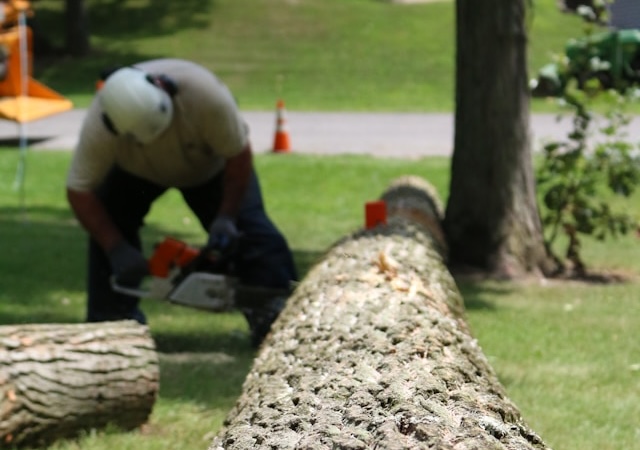
Knowing what to do after storm damage is critical. Acting quickly and safely can prevent further damage, reduce costs, and restore your property efficiently. This guide walks you through everything you need to know about emergency tree removal in Bremerton—from immediate steps to long-term prevention.
Why Storm-Damaged Trees Are a Serious Risk
After a storm, damaged trees may not always look dangerous at first glance. However, hidden structural weaknesses can make them unstable and unpredictable.
Immediate Risks Include:
- Falling branches or entire trees
- Damage to roofs, siding, and windows
- Blocked driveways or access points
- Downed power lines
- Injury to people or pets
Even partially damaged trees can collapse hours or days later, making quick action essential.
Common Types of Storm Damage to Trees
Understanding the type of damage helps determine the right course of action.
Broken Branches
Large limbs may snap and hang precariously, posing a falling hazard.
Uprooted Trees
Heavy winds and saturated soil can cause trees to fall completely or lean dangerously.
Split Trunks
Trees may split down the middle, weakening their structural integrity.
Hidden Root Damage
Even if a tree appears upright, root damage can make it unstable.
Debris Impact
Falling debris can damage surrounding trees, creating additional hazards.
What to Do Immediately After Storm Damage
Safety should always be your top priority. Here are the essential steps to take right after a storm:
1. Assess the Situation Safely
Walk around your property carefully and look for visible damage. Keep a safe distance from any unstable trees or hanging branches.
2. Stay Away from Power Lines
If a tree has fallen on or near power lines, do not approach it. Contact emergency services or your utility company immediately.
3. Secure the Area
Keep children, pets, and others away from damaged trees. Mark off hazardous areas if necessary.
4. Document the Damage
Take photos of the damage for insurance purposes. This can help with claims and assessments.
5. Contact a Professional Tree Service
Emergency tree removal requires specialized equipment and expertise. Professional crews can safely remove hazardous trees and debris.
Why You Should Avoid DIY Tree Removal
It may be tempting to handle tree removal yourself, especially after a storm. However, this can be extremely dangerous.
Risks of DIY Tree Removal:
- Lack of proper equipment
- Unpredictable tree movement
- Risk of injury or property damage
- Incomplete removal leading to future issues
Professional tree service providers have the training, tools, and experience to handle emergency situations safely and efficiently.
The Emergency Tree Removal Process
Professional tree removal companies follow a structured process to ensure safety and effectiveness.
1. Inspection and Risk Assessment
Experts evaluate the extent of damage and identify potential hazards.
2. Planning and Preparation
A removal plan is created based on the tree’s condition, location, and surrounding structures.
3. Safe Tree Removal
Using specialized equipment, the tree is carefully cut and removed in sections if necessary.
4. Debris Cleanup
Branches, logs, and debris are cleared from the property.
5. Stump Grinding (Optional)
Remaining stumps can be ground down to restore the landscape.
Emergency Tree Removal Timeline
Quick response is crucial when dealing with storm damage. Here’s how timing impacts the situation:
| Time After Storm | Condition of Tree | Risk Level | Recommended Action |
|---|---|---|---|
| Immediately (0–24 hrs) | Fresh damage, unstable branches | Very High | Secure area and call professionals |
| 1–3 Days | Weakening structure, potential collapse | High | Schedule urgent removal |
| 3–7 Days | Increased decay, shifting roots | Very High | Immediate removal required |
| 1–2 Weeks | Structural failure likely | Critical | Emergency removal needed |
| 2+ Weeks | Severe deterioration, safety hazards | Extreme | High-risk situation |
How Emergency Tree Removal Protects Your Property
Hiring professionals for emergency tree removal offers several key benefits:
Prevents Further Damage
Removing damaged trees quickly reduces the risk of additional harm to your property.
Ensures Safety
Professionals follow strict safety protocols to protect people and structures.
Saves Time
Experienced crews can handle complex removals efficiently.
Protects Landscaping
Careful removal minimizes damage to surrounding plants and features.
Signs a Tree Needs Immediate Removal
Not all storm-damaged trees need to be removed, but some clearly require urgent attention.
Look for these warning signs:
- Tree leaning significantly
- Large cracks in the trunk
- Exposed or lifted roots
- Hanging or broken branches
- Tree resting on a structure
- Sudden leaf loss or discoloration
If you notice any of these signs, it’s best to call a professional immediately.
Preventing Future Storm Damage
While you can’t control the weather, you can take steps to reduce the risk of tree damage.
Regular Tree Trimming
Removing weak or overgrown branches helps trees withstand strong winds.
Routine Inspections
Professional inspections can identify potential issues before they become dangerous.
Proper Tree Placement
Planting trees in appropriate locations reduces the risk of damage to structures.
Soil and Root Care
Healthy roots provide better stability during storms.
The Role of Modern Equipment in Tree Removal
Professional tree services use advanced equipment to handle even the most challenging situations.
Common Tools Include:
- Chainsaws and pole saws
- Cranes for large tree removal
- Wood chippers for debris
- Stump grinders
This equipment allows for precise and efficient removal, even in tight or hazardous spaces.
Insurance and Emergency Tree Removal
Storm damage often falls under homeowner’s insurance coverage, but policies can vary.
Tips for Handling Insurance Claims:
- Document all damage with photos
- Keep records of repair and removal costs
- Contact your insurance provider promptly
- Work with professionals who can provide detailed assessments
Proper documentation and quick action can help streamline the claims process.
Why Local Expertise Matters in Bremerton
Tree care in Bremerton requires an understanding of the region’s specific conditions, including:
- Coastal weather patterns
- Soil composition
- Common tree species
- Seasonal storm risks
Local professionals are better equipped to handle these factors, ensuring effective and safe tree removal.
Environmental Considerations
Tree removal should always be approached responsibly. Professionals aim to:
- Minimize environmental impact
- Recycle or repurpose wood debris
- Preserve healthy trees when possible
In many cases, only damaged portions of a tree need to be removed, allowing the rest to recover.
Long-Term Benefits of Professional Tree Care
Beyond emergency situations, regular tree maintenance provides ongoing advantages:
- Improved property appearance
- Increased property value
- Reduced risk of future damage
- Healthier, longer-lasting trees
Investing in professional tree care helps maintain a safe and attractive landscape year-round.
Final Thoughts
Storm damage can leave your property vulnerable and hazardous, especially when trees are involved. Acting quickly and relying on professional emergency tree removal services is essential for protecting your home, your family, and your investment.
From assessing damage and securing the area to safely removing trees and preventing future issues, every step plays a critical role in recovery. In a place like Bremerton, where storms are a regular occurrence, being prepared and proactive makes all the difference.
By understanding the risks and taking the right actions, you can turn a stressful situation into a manageable one—restoring safety, order, and peace of mind to your property.