Signs Your Tree Needs Removal: A Complete Guide for Bremerton Property Owners
March 10, 2026Trees are one of the most valuable features of any property. They provide shade, improve curb appeal, support wildlife, and increase property value. In a place like Bremerton, Washington—where lush greenery is part of the natural beauty—healthy trees can greatly enhance residential and commercial landscapes.
However, trees do not last forever. Over time, disease, environmental stress, storm damage, and aging can weaken trees and turn them into safety hazards. When a tree becomes unstable or begins to decay, removal may be the safest and most responsible option.
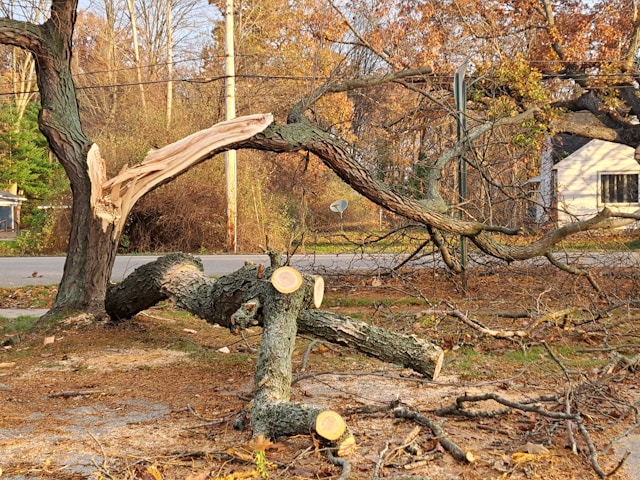
Understanding the warning signs of a dangerous or dying tree helps property owners act before serious damage occurs. This guide explains the most common indicators that a tree may need to be removed and why professional tree services are essential for handling the process safely.
Why Tree Health Matters for Your Property
Healthy trees add beauty and value to properties throughout Bremerton. They help regulate temperature, reduce erosion, and improve the overall environment. But when trees become unhealthy or unstable, they can quickly turn into liabilities.
A weakened tree can cause significant problems, including:
- Falling branches that damage roofs or vehicles
- Root systems that disrupt foundations or sidewalks
- Tree collapse during storms
- Spread of disease to nearby trees
- Safety hazards for family members or visitors
For these reasons, regular tree inspections and proper maintenance are important for protecting both your landscape and your property.
Common Causes of Tree Decline
Before identifying warning signs, it helps to understand why trees deteriorate in the first place. Several environmental and biological factors can affect tree health.
Aging Trees
Just like any living organism, trees eventually reach the end of their life cycle. Older trees often develop structural weaknesses that make them more vulnerable to storms and disease.
Disease and Fungal Infections
Fungal growth, bacterial infections, and pest infestations can damage the internal structure of a tree. Once these issues spread, the tree may no longer be able to support itself.
Storm Damage
Bremerton experiences heavy rains and seasonal storms that can weaken tree structures. Strong winds can split trunks, break limbs, or uproot trees entirely.
Root Damage
Construction, soil compaction, or erosion can damage tree roots. When roots weaken, the tree may lose stability and become more likely to fall.
Understanding these factors helps property owners recognize when a tree may be reaching a dangerous condition.
Visible Signs Your Tree May Need Removal
There are several clear indicators that a tree is no longer healthy or structurally stable. Recognizing these warning signs early can prevent accidents and costly damage.
1. Large Dead Branches
Dead branches are one of the most obvious signs that a tree is declining. If multiple branches are brittle, leafless, or falling off regularly, the tree may be dying.
Dead limbs can easily break during wind or storms, creating serious safety hazards.
2. Leaning Trees
A slight lean in a tree may be natural, but a sudden or dramatic lean often indicates structural instability.
If the ground around the base of the tree appears lifted or cracked, the roots may be failing. This is a serious warning sign that the tree could fall.
3. Hollow or Decaying Trunk
Trees rely on strong internal wood to remain stable. When the trunk begins to hollow out or rot, the tree loses its structural integrity.
Large cavities in the trunk often indicate internal decay. A hollow tree may collapse without warning, especially during storms.
4. Fungal Growth
Mushrooms or fungal growth around the base of a tree can indicate internal rot. Fungi feed on decaying wood, meaning the internal structure of the tree may already be compromised.
This is a common sign that the tree’s root system or trunk is deteriorating.
5. Cracks in the Trunk
Deep cracks or splits in the trunk can weaken the entire tree structure. These fractures often develop after storms or due to disease.
If large cracks appear in the trunk, the tree may eventually split apart.
6. Missing Bark
Tree bark protects the inner layers of the tree. When large sections of bark fall off, it can indicate serious stress or disease.
A tree that is shedding bark excessively may be dying or suffering from pest damage.
Root Problems That Indicate Tree Instability
Roots play a crucial role in keeping trees stable and healthy. When root systems are compromised, the entire tree becomes vulnerable.
Common root-related warning signs include:
- Soil lifting around the base of the tree
- Exposed roots that appear damaged
- Fungal growth near the root system
- Sudden leaning after heavy rain
If the root structure fails, the tree may fall unexpectedly. Trees located near homes, driveways, or sidewalks pose an even greater risk when root damage occurs.
When Tree Trimming Is Not Enough
In many cases, tree trimming can solve minor issues such as overgrown branches or minor disease. However, some trees are beyond recovery and require full removal.
Tree trimming may not be effective when:
- The trunk is severely damaged
- The tree is mostly dead
- Root systems are unstable
- Disease has spread throughout the tree
- The tree is leaning dangerously
In these situations, removing the tree may be the safest option to protect surrounding structures and landscaping.
Safety Risks of Ignoring a Dangerous Tree
Ignoring a damaged or dying tree can lead to serious consequences. Trees can fall unexpectedly, especially during heavy wind or rain.
Potential risks include:
- Structural damage to homes
- Broken power lines
- Blocked driveways or roads
- Injuries to people or pets
- Damage to neighboring properties
Because of these risks, it is important to address tree hazards as soon as they are identified.
Tree Inspection Checklist for Property Owners
Property owners can perform basic visual inspections to monitor the health of their trees. The following table highlights common warning signs and what they may indicate.
| Warning Sign | Possible Cause | Recommended Action |
|---|---|---|
| Dead or falling branches | Aging tree or disease | Schedule professional tree inspection |
| Tree leaning suddenly | Root damage or soil instability | Evaluate for possible removal |
| Cracks in the trunk | Structural weakness | Professional assessment required |
| Fungal growth at base | Internal rot or root decay | Tree removal may be necessary |
| Hollow trunk sections | Advanced decay | Immediate evaluation by tree experts |
| Missing or peeling bark | Disease or pest infestation | Monitor tree health or consider removal |
Regular inspections help property owners detect problems early before they become dangerous.
Benefits of Professional Tree Removal Services
Tree removal can be a complex and dangerous task, especially when large trees are located near buildings or power lines. Professional tree service companies have the training and equipment necessary to remove trees safely.
Benefits of hiring professionals include:
- Safe removal of large or hazardous trees
- Proper use of specialized equipment
- Protection of nearby structures and landscaping
- Efficient removal and cleanup
- Professional stump grinding services
Tree removal professionals understand how to evaluate risks and perform the job safely without causing additional damage.
The Importance of Stump Removal
After a tree is removed, the remaining stump can create several problems if left untreated.
Tree stumps can:
- Attract insects and pests
- Become tripping hazards
- Interfere with landscaping projects
- Create unwanted regrowth
Stump grinding is an effective solution that removes the remaining stump and restores a smooth landscape surface.
Maintaining Healthy Trees on Your Property
While some trees must eventually be removed, proper maintenance can extend the life of many trees.
Routine tree care practices include:
- Regular tree trimming
- Removing weak or dead branches
- Monitoring for disease or pests
- Ensuring adequate soil health
- Protecting roots during construction
Healthy trees not only improve the appearance of your property but also reduce the risk of unexpected hazards.
When to Contact a Tree Service Professional
If you notice multiple warning signs or suspect a tree may be unsafe, contacting a professional tree service is the best course of action.
A trained arborist or tree service expert can evaluate the condition of the tree and recommend the most appropriate solution. In some cases, trimming may restore the tree’s health. In others, removal may be necessary to prevent future damage.
Early action helps property owners avoid costly repairs and ensures the safety of everyone on the property.
Protecting Your Bremerton Property
Trees are an important part of Bremerton’s natural landscape, but they require proper care and attention to remain safe and healthy. Recognizing the signs of tree decline allows property owners to address potential hazards before they escalate.
Dead branches, leaning trunks, root instability, and visible decay are all indicators that a tree may need professional evaluation. When removal becomes necessary, working with experienced tree service professionals ensures the job is completed safely and efficiently.
By monitoring tree health and responding quickly to warning signs, property owners can maintain beautiful landscapes while protecting their homes, businesses, and surrounding properties from potential tree-related hazards.