Is Your Tree Ready for Winter? Essential Removal and Maintenance Tips for Bremerton Residents
December 22, 2025How prepared are your trees for Bremerton’s challenging winter conditions? With freezing rain and occasional snow, your property’s trees face significant stress that requires proactive management. Winter tree maintenance Bremerton experts recommend inspecting for dead branches, signs of disease, or structural weaknesses before temperatures drop.
Douglas Firs and Western Red Cedars, though native to our climate, can become hazardous when ice accumulates on vulnerable limbs. Professional tree care Bremerton services include strategic pruning to remove high-risk branches while preserving the tree’s natural strength and appearance.
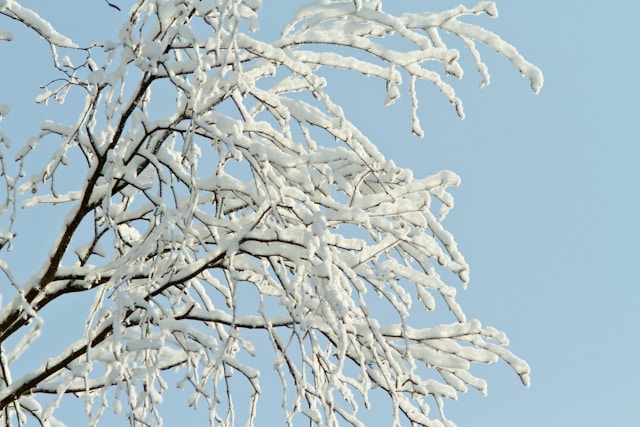
Don’t wait until emergency situations arise. Bremerton certified arborists can assess your trees’ winter readiness, identifying potential issues that untrained eyes might miss. Their expertise guarantees your trees remain assets rather than liabilities throughout our mild but occasionally treacherous winter months.
Introduction: Preparing Your Trees for Winter in Bremerton
While Bremerton’s winters aren’t typically harsh, they present unique challenges that can threaten your trees’ health and structural integrity if proper preparations aren’t made. Our region’s combination of rain, occasional snow, and freezing temperatures creates conditions that can stress even native species like Douglas Fir and Western Red Cedar.
Professional winter tree care Bremerton experts recommend scheduling a thorough tree health inspection Bremerton homeowners can trust before temperatures drop. This assessment identifies potential weaknesses, disease, or structural issues that winter weather might exacerbate. Strategic tree pruning winter Bremerton services remove dead or dangerous limbs that could break under ice accumulation or snow load, protecting your property and the tree itself. Remember that preventative maintenance is far more cost-effective than emergency removal or repairs after winter damage has occurred.
Why Winter Tree Care Matters for Bremerton Residents
Winter tree care represents an essential investment for Bremerton property owners, not merely a seasonal task. Your trees face unique challenges during our wet, mild winters when ice and snow can strain even the healthiest specimens. A thorough tree health inspection Bremerton arborists recommend can identify vulnerable branches before they become hazards.
Winter storm tree damage Bremerton residents experience typically stems from preventable issues—dead limbs, structural weaknesses, or diseases that compromise stability. When freezing rain coats branches, even native species like Douglas Fir can fail under the added weight.
Professional tree care Bremerton WA specialists provide critical preventive services that protect your property investment and guarantee safety. Remember, addressing potential problems before winter storms arrive costs considerably less than emergency removal or repairing structural damage to your home.
Common Winter Tree Problems in Bremerton
Despite Bremerton’s relatively mild climate, trees in our region face several distinct challenges during the colder months. When freezing rain and occasional snow accumulate on branches, the added weight can cause limbs to crack or break entirely, necessitating emergency tree removal Bremerton WA services.
You’ll notice that our native species, while adapted to high moisture levels, struggle with ice buildup that can split trunks and compromise structural integrity. Root damage from freeze-thaw cycles creates hidden hazards that often manifest only when winter storms arrive.
A professional Bremerton tree health inspection before winter can identify vulnerable specimens exhibiting signs of disease or structural weakness. Addressing these issues proactively helps prevent snow ice damage trees Bremerton commonly experience, saving you from costly emergency services and potential property damage.
Snow and Ice Damage
Snow and ice accumulation represents one of the most serious threats to Bremerton’s tree population during colder months. When freezing rain coats branches, it can add hundreds of pounds of extra weight, causing even healthy limbs to snap without warning.
Your Douglas Firs and Western Red Cedars, while adapted to our regional climate, aren’t immune to these stressors. The Bremerton climate tree damage pattern typically involves broken tops and split trunks when ice forms on already moisture-laden branches.
Don’t wait until you hear cracking limbs. Professional Bremerton tree services offer preventative pruning to reduce weight-bearing surfaces before winter storms hit. If you notice concerning bending or sagging, contact emergency tree removal Bremerton specialists immediately—waiting can transform a simple maintenance issue into a property-damaging emergency.
Frost and Root Damage
The unseen dangers of frost penetration can severely compromise your tree’s root systems throughout Bremerton’s winter months. When soil repeatedly freezes and thaws, it creates heaving patterns that expose sensitive roots to damaging air and temperature fluctuations. This phenomenon, called frost heave, can sever small feeder roots critical for nutrient absorption.
Implementing proper tree root protection Bremerton specialists recommend includes applying 3-4 inches of organic mulch around the base, extending to the drip line. This insulates soil and maintains consistent temperatures. For severely damaged specimens, you’ll need to determine if a tree removal permit Bremerton requires is necessary before taking action. The city’s regulations vary depending on the tree’s location, size, and health condition. Don’t wait until spring reveals irreversible damage—assess your trees’ root zones now.
Pests and Diseases
While winter dormancy slows many pests’ activity, Bremerton’s mild climate allows certain insects and diseases to persist year-round, threatening your trees’ health. Overwintering insects like bark beetles and scale can continue damaging weakened trees, while fungal pathogens thrive in our wet conditions.
You’ll need to inspect your trees for signs of infestation: look for boring holes, sawdust-like frass, abnormal leaf retention, or cankers on branches. Winter is an ideal time to apply dormant oil sprays that suffocate overwintering eggs and insects without harming beneficial species.
For disease management, remove any infected branches or fallen debris that harbor pathogens. Consider consulting with certified arborists from Tree Service Bremerton Pros who can identify specific regional threats and implement targeted treatments before spring growth begins.
Winter Tree Maintenance Tips for Bremerton Residents
Bremerton residents should prioritize several key maintenance tasks to protect their trees during our distinctive Pacific Northwest winters. First, inspect your trees for weak or damaged branches that could break under snow or ice weight. Proper pruning before winter reduces this risk while improving structural integrity.
Apply a 3-4 inch layer of mulch around trees (but not touching trunks) to insulate roots from freezing temperatures. For younger trees, consider using burlap wraps or tree guards to protect against frost cracks and wildlife damage.
During freezing rain events, gently remove accumulated ice from valuable ornamental trees using lukewarm water—never strike ice-laden branches. Finally, maintain adequate soil drainage to prevent root rot in our characteristically wet winter conditions. Douglas Firs and Western Red Cedars especially benefit from these preventative measures.
Pre-Winter Tree Care
Before winter arrives in full force, you’ll need to complete several critical tree maintenance tasks to prevent damage during Bremerton’s challenging weather conditions. Begin with a thorough inspection of your Douglas Firs and Western Red Cedars for signs of disease, weak branches, or structural issues that could worsen under ice or snow load.
Prune dead or damaged limbs that might break under winter’s weight, focusing on branches that extend over structures or walkways. Apply mulch around the base—keeping it away from the trunk—to insulate roots from freezing temperatures. Consider cabling or bracing for trees with structural weaknesses.
For mature trees, consult with a certified arborist who can identify potential hazards that aren’t visible to untrained eyes. These preventative measures greatly reduce the risk of emergency situations during Bremerton’s unpredictable winter storms.
Pruning
Proper pruning during late fall or early winter serves as a critical defense strategy for trees facing Bremerton’s wet, ice-prone conditions. By removing dead, diseased, or structurally weak branches, you’ll considerably reduce the risk of breakage under snow or ice loads.
Focus on thinning the crown rather than topping, which can damage your tree’s natural structure. For Douglas Firs and Western Red Cedars, selective pruning improves air circulation while preserving their characteristic forms. Remove crossing branches that may rub and create wounds where pathogens enter.
Remember that different species require specific pruning approaches. Deciduous trees are best pruned when dormant, while conifers need more conservative trimming. If you’re uncertain about proper techniques, consulting a certified arborist guarantees your trees remain structurally sound throughout Bremerton’s challenging winter conditions.
Inspection
While pruning prepares trees for winter stressors, thorough inspection serves as the foundation of effective winter tree maintenance. In Bremerton’s climate of wet winters and occasional ice storms, you’ll need to examine your trees for structural weaknesses that could fail under snow or ice weight.
Focus on checking for:
- Cracks in major limbs or trunks
- Dead or decaying branches
- Signs of root instability, such as heaving soil
- Split or separated bark
- Fungal growth, which indicates internal decay
Douglas Firs and Western Red Cedars require particular attention, as their height makes them susceptible to winter damage. Don’t overlook leaning trees, as Bremerton’s saturated winter soils can reduce root stability. While you can conduct basic inspections yourself, certified arborists can identify subtle problems that untrained eyes might miss.
Root Protection
Root systems require special attention during Bremerton’s wet winters since waterlogged soil and freezing temperatures can damage these essential tree structures. Apply a 3-4 inch layer of mulch around your trees’ base, extending to the drip line, but keeping it 2-3 inches away from the trunk to prevent rot. This insulates roots from temperature fluctuations while improving drainage.
In Bremerton’s clay-heavy soils, consider installing drainage solutions before winter rains saturate the ground. For trees planted in low-lying areas, create small berms to redirect excess water away from root zones. You’ll also want to avoid foot traffic and equipment operation over root areas when the soil is saturated, as this causes compaction that restricts oxygen flow. These protective measures help maintain structural integrity, particularly for Douglas Firs and Western Red Cedars native to our region.
Winter Tree Removal and Emergency Services
Despite careful preparation, severe winter weather in Bremerton can create unexpected tree hazards that require immediate professional attention. Ice storms and heavy snow can cause branches to crack or entire trees to uproot, posing serious risks to your property and safety.
When you’re facing a tree emergency, it’s essential to contact certified arborists who have the equipment and expertise for safe removal in challenging conditions. Tree Service Bremerton Pros offers 24/7 emergency response during winter storms when risks are highest.
Don’t attempt DIY removal of storm-damaged trees, especially when they’re near power lines or structures. Professional services include hazard assessment, selective branch removal, complete tree extraction, and site cleanup—all executed with precision to prevent further property damage during Bremerton’s unpredictable winter weather.
Local Regulations on Tree Removal and Maintenance in Bremerton
Before undertaking any tree work on your Bremerton property, you’ll need to familiarize yourself with the city’s specific regulations governing tree removal and maintenance. Bremerton’s municipal code requires permits for removing trees over a certain diameter, particularly in environmentally critical areas or public rights-of-way.
The city’s Urban Forestry Program outlines requirements for tree protection during construction activities and replacement guidelines when removal is necessary. Significant trees (typically those exceeding 24 inches in diameter) receive additional protections and may require professional assessment before approval for removal.
Fines for non-compliance can be substantial, sometimes reaching thousands of dollars. You’ll also need to contemplate seasonal restrictions, as certain removal activities may be prohibited during nesting seasons or periods of elevated environmental sensitivity. Always check with the Planning Department before proceeding.
Expert Advice from Certified Arborists
While understanding local regulations provides the legal framework for tree care, consulting with certified arborists offers invaluable technical expertise for winter tree maintenance in Bremerton.
Certified arborists recommend proactive crown thinning before winter to reduce wind resistance and ice accumulation weight on branches. They’ll assess your trees’ structural integrity, identifying weak unions, decay, or disease that winter conditions could exacerbate.
For Bremerton’s native species, arborists suggest species-specific approaches: Douglas Firs require minimal pruning but benefit from root zone protection, while Western Red Cedars need monitoring for top-heavy conditions that ice can worsen.
You’ll gain precise insights about soil drainage modification, proper mulching techniques, and strategic cabling for at-risk trees. Their expertise helps you differentiate between cosmetic damage and genuine safety hazards requiring immediate attention during winter storms.
Conclusion: Safeguard Your Trees This Winter
As winter approaches in Bremerton, protecting your trees becomes crucial for maintaining both their health and your property’s safety. Our region’s unique climate challenges—wet winters with occasional ice and snow—demand proactive tree care strategies.
Don’t wait for problems to emerge. Schedule professional inspections before freezing conditions arrive, ensuring your Douglas Firs and Western Red Cedars remain structurally sound. While DIY maintenance has its place, certified arborists possess the expertise to identify subtle warning signs you might miss.
Remember that proper winter preparation isn’t merely about preventing immediate damage—it’s an investment in your landscape’s long-term health. Tree Service Bremerton Pros offers extensive winter readiness assessments tailored to our local conditions, providing you with peace of mind throughout the season’s harshest weather events.